
Rosacea Treatment in Burbank, CA
What is Rosacea?
Rosacea is a condition characterized by facial flushing, dilated blood vessels, redness on the cheeks and chin, and acne. It exists on a spectrum, ranging from mild redness and flushing to moderate cases with intermittent pustules on the nose, cheeks, and chin. Rhinophyma, a rare enlargement of the nose, can occur in older men.
Many people also notice that rosacea symptoms tend to come and go, with periods of relative calm followed by sudden flares. Common triggers can include hot weather, sun exposure, spicy foods, alcohol, emotional stress, and certain skincare products. Because Burbank often has warm, sunny days, unprotected time outdoors can be a frequent trigger for those prone to facial redness.
Rosacea can affect confidence and comfort in social or professional settings, especially if flushing happens unexpectedly. When you visit our Burbank office, we take time to understand your specific pattern of symptoms, known triggers, and current skincare routine. This helps us distinguish rosacea from other conditions and recommend a plan that fits your skin type, schedule, and tolerance for downtime.
Call (818) 698-2989 or contact us online today to schedule an appointment and learn more about rosacea treatment in Burbank, CA.
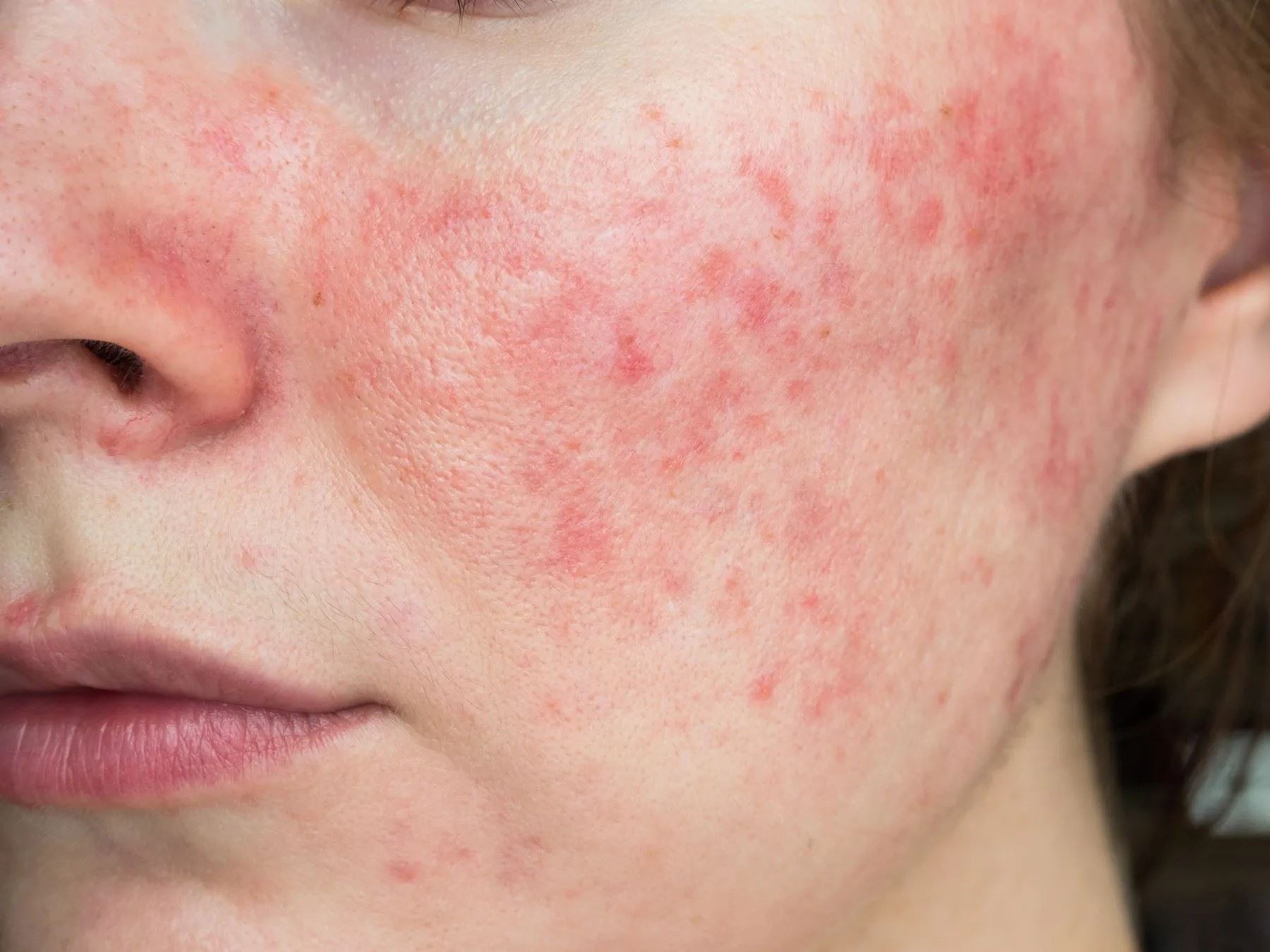
How to Treat Rosacea in Burbank
Medical dermatology options for rosacea include medications and therapies. Laser or bright light devices like photo rejuvenation (IPL) can reduce stubborn redness and dilated blood vessels. Topical antibiotic gels and creams are helpful for managing pustules. Dietary changes, such as reducing refined carbohydrates, sugar, and dairy, can also improve skin condition in many individuals.
At our Burbank practice, your rosacea treatment plan is tailored after a careful in-person skin evaluation. We look at the pattern of redness, presence of visible vessels, and any breakouts to decide whether light-based therapies, prescription topicals, or a combination approach is most appropriate. During your visit, we also review your medical history and current medications to be sure each option is safe and realistic for you.
Because rosacea is a chronic condition, we focus on long-term management rather than a single quick fix. That may include scheduling a series of IPL sessions, adjusting timing around Burbank’s sunniest months, and recommending gentle at-home products that support the results of your in-office care. We also discuss practical trigger-avoidance strategies—such as sun protection habits and stress-reduction techniques—so you feel more in control of day-to-day flares.
Our Rosacea Consultation and Treatment Process
When you book a visit for rosacea at our Burbank location, your appointment begins with a detailed consultation. We ask about your symptoms, how long you have noticed them, and what tends to make your skin feel better or worse. This is followed by a close visual exam of your face, neck, and sometimes chest to look for patterns of redness, visible vessels, and bumps. Taking this time upfront helps us create a plan that is realistic for your lifestyle and comfort level.
After your exam, we explain the treatment options that make sense for you, including what to expect during and after each visit. If we recommend light-based treatments, we review how to prepare your skin, how many sessions you may need, and how to protect your skin from the Burbank sun before and after each appointment. For topical prescriptions or oral medications, we outline how to use them correctly, how long they typically take to show benefits, and what side effects to watch for.
Before you leave, you receive clear written instructions for home care and follow-up. We encourage you to keep a simple diary of flares, products, and lifestyle factors so we can fine-tune your rosacea treatment over time. Many people appreciate having a consistent place in Burbank to return to with questions or concerns, rather than trying to manage changing symptoms on their own. This ongoing relationship allows us to adjust your plan as the seasons change and as your skin responds.
Managing Triggers and At-Home Care
Professional treatments are only part of managing rosacea well; daily habits and product choices play a big role. During your visit, we help you identify likely triggers such as heat, sun exposure, certain foods, or intense exercise, and then suggest realistic ways to work around them without disrupting your routine. For example, in a sunny city like Burbank, that may mean choosing shaded walking routes, wearing a wide-brimmed hat, and applying mineral sunscreen before commuting or outdoor activities.
We also review your current skincare products and makeup to find anything that may be irritating your skin. Many people with rosacea do better with a simple routine that focuses on hydration and barrier repair rather than many active ingredients. When helpful, we can recommend gentle cleansers, fragrance-free moisturizers, and mineral-based sunscreens that are less likely to sting or cause redness. Combined with in-office care, these steps can make your skin feel calmer and more comfortable day to day.
Frequently Asked Questions
What is the Recommended Skincare Routine for Someone With Rosacea?
Use a gentle, non-foaming cleanser, moisturize daily with a non-comedogenic product, and apply a mineral sunscreen. Avoid harsh exfoliants and products with alcohol or fragrance.
What is the Difference Between Rosacea and Acne?
While both can cause red bumps, rosacea involves persistent facial redness and visible blood vessels, which are not characteristic of typical acne.
How Do I Know if I Have Rosacea or Just Sensitive Skin?
Rosacea is a medical condition with persistent symptoms like redness and visible blood vessels, whereas sensitive skin may react to products but not have the underlying inflammation of rosacea. A proper diagnosis from a dermatologist is key.
Are There Any Lifestyle Changes I Can Make to Help My Rosacea?
Yes, besides avoiding triggers, managing stress, exercising regularly, and maintaining a healthy diet can all contribute to better skin health and fewer flare-ups.